·
Mon to Sat appointments
Women’s Health Physio
in Bagshot, Surrey
Tired of quick fixes for leaks, prolapse or pelvic pain? Real relief, a clear plan, and appointments this week with one of our specialist Women’s Health Physiotherapists.
No GP referral needed
Appointments this week
Symptoms you’ve been told are “normal” don’t have to stay that way
Bladder leaks. A heavy or dragging feeling. Pain you’ve never quite been able to explain. So many women are told these are simply part of pregnancy, recovery, or getting older. They’re not.
With the right assessment and the right plan, most of what you’re putting up with can genuinely improve. Our specialist Women’s Health team gives you a private, supportive space to be heard properly and a clear path forward.
Find the help that matches what you’re feeling
Click any card for a deeper look at what’s happening, what we do about it, and what to expect.
Bladder & Bowel Health
Stop leaks, start living
Leaking when you cough, sneeze, run or jump. Sudden urgency. The dread of needing the loo on every long drive. None of this is something you have to live with.
- Stress incontinence, urge incontinence and frequency
- Bowel control issues and faecal urgency
- Bladder retraining and pelvic floor strengthening
Prolapse & Pelvic Pain
Heavy or dragging feeling?
A sense of heaviness, pressure, or that something just doesn’t feel right. Pelvic pain that’s hard to describe but very real. We’ll explain what’s happening and what to do about it.
- Pelvic organ prolapse, all grades
- Vulvodynia, dyspareunia and chronic pelvic pain
- Pessary fit support and conservative-first care
Pregnancy & Postnatal
Pregnancy, postnatal & Mummy MOT
Pelvic girdle pain. Diastasis recti. Feeling like your body isn’t quite yours yet. Whether you’re six weeks postnatal or six years on, recovery is still possible and we’ll show you how.
- Pregnancy-safe physiotherapy at any stage
- Mummy MOT® and Postnatal Wellness Check
- Safe return to running, lifting and exercise
Perimenopause & Menopause
Pelvic pain & return to exercise
Joint pain that wasn’t there a year ago. Pelvic discomfort. A pelvic floor that doesn’t behave like it used to. The hormonal shift is real, and so is what you can do about it.
- Pelvic health changes during perimenopause
- Joint pain, bone density and falls prevention
- Strength training plans tailored to hormonal change
Bladder leaks aren’t normal. They aren’t permanent either.
Around one in three women in the UK experience some form of urinary incontinence, and most of them never tell their GP. The truth is that pelvic floor physiotherapy is the first-line treatment recommended in NICE guidelines, and most women see meaningful improvement within eight to twelve weeks.
What’s actually happening
Stress incontinence happens when the pelvic floor cannot quite hold pressure during a cough, sneeze, run or jump. Urge incontinence happens when the bladder muscle contracts before you reach a toilet. Mixed is a combination of both. None of these need surgery as a starting point. They almost always respond to a tailored physiotherapy programme.
When to seek help
- Leaking with cough, sneeze, laughing, exercise or lifting
- Strong urgency you can’t always make it through
- Going to the toilet more than seven times a day
- Waking more than once a night to urinate
- Bowel urgency, leakage or difficulty emptying
What treatment looks like
Your first appointment is sixty minutes. We listen properly, examine where appropriate and only with your consent, and explain in plain English what we find. You leave with a clear, tailored plan. Most women need four to six sessions to see meaningful change. Some need fewer, some prefer ongoing strength work. You’ll know after the first appointment.
That heavy, dragging feeling has a name. And a treatment.
Pelvic organ prolapse and chronic pelvic pain are two of the most under-treated conditions in women’s health. Most respond well to conservative care. The problem is that most women never know it’s an option. Our specialist physios are trained to assess, explain, and treat both, often without the need for surgery.
Pelvic organ prolapse explained
Prolapse is when one of the pelvic organs (bladder, uterus, bowel, or vaginal vault) descends from its usual position. Grades one to four describe how much. But the grade often matters less than how it affects your life. We’ll assess properly, explain clearly, and give you the options.
Pelvic pain conditions we treat
- Vulvodynia and persistent vulvar pain
- Dyspareunia (painful intercourse)
- Pudendal neuralgia
- Coccyx pain and post-childbirth pelvic pain
- Pain after gynaecological surgery
The conservative-first approach
Pelvic floor physiotherapy, lifestyle changes, and where appropriate a pessary can resolve or significantly reduce symptoms in the majority of cases. We work alongside your GP and consultant where needed, but starting here usually means avoiding more invasive options entirely.
Recovery is possible, whether you’re six weeks postnatal or six years on.
The standard six-week postnatal GP check is brief, often misses pelvic floor and abdominal separation issues, and almost never includes a proper internal pelvic exam. Yet research suggests up to 85% of women have some lasting postnatal issue at six months. There’s a more thorough way, and it’s never too late to do it.
Pregnancy support
Pelvic Girdle Pain (PGP) affects roughly one in five pregnant women in the UK. Back pain affects far more. Pregnancy-safe hands-on physiotherapy, supported strength work, and tailored advice can keep you moving and prepare your body for birth.
Mummy MOT® & Postnatal Wellness Check
The Mummy MOT® is a structured one-hour assessment for women six weeks or more postnatal, covering pelvic floor, abdominal separation (diastasis recti), posture, and core strength. It identifies issues that are commonly missed, and gives you a clear, personalised recovery plan. The Postnatal Wellness Check is a shorter, evidence-based alternative.
Return to running, lifting and exercise
Current evidence suggests waiting at least twelve weeks before returning to running, with a proper pelvic floor screen first. We use the published Return-to-Running Postnatal guidelines (Goom, Donnelly & Brockwell) to assess readiness, and progress you safely back to whatever you love doing.
The pelvic floor changes during menopause. Your physio should too.
Oestrogen decline during perimenopause and menopause affects the pelvic floor, joints, bone density, and muscle mass. The result can be new pelvic pain, leaks that weren’t there before, joint aches that don’t quite fit, and a sense that your body is doing something different. The good news is that physiotherapy combined with strength training is one of the most effective evidence-based interventions for this stage of life.
Why things shift
Falling oestrogen affects collagen, muscle mass, bone density, joint lubrication, and the tissue tone of the bladder, urethra and vagina. The clinical name for the genital and urinary symptoms is Genitourinary Syndrome of Menopause (GSM). It’s common, treatable, and not just something you have to put up with.
Pelvic health in midlife
- New or worsening urinary leakage and urgency
- Vaginal dryness, discomfort or painful sex
- New onset pelvic organ prolapse symptoms
- Joint and pelvic pain that wasn’t there a year ago
Strength training as medicine
Progressive resistance training is the single most effective intervention for bone density, muscle mass, falls prevention and metabolic health in midlife. We’ll combine specialist pelvic floor work with a strength plan tailored to where you are now, and progress it safely as you build confidence.
Not all physiotherapy is the same
Specialist Women’s Health Physiotherapists have post-graduate training in pelvic health, perinatal care, and the hormonal context that general physio doesn’t cover. Here’s what that means in practice.
NHS Pelvic Health
- Specialist clinicians available
- Typical wait 6 to 18 months
- 30 minute appointments typical
- Limited follow-up frequency
- GP referral usually required
Physica Specialist WH Physio
- Three specialist Women’s Health Physios on team
- Appointments this week
- 60 minute initial assessment*
- No GP referral needed
- Continuity with the same physio
General Private Physio
- Quick access
- Rarely post-grad pelvic health trained
- No internal pelvic floor assessment
- Often 30 minute slots
- Generic exercise prescription
*Private paying clients enjoy a full 60-minute first visit. Insurance-funded sessions (BUPA, AXA, Vitality) are slightly shorter, with the same specialist physio and the same tailored plan, just a more focused first session so your treatment starts sooner.
What real progress looks like
Most women see meaningful change in their symptoms within four to six sessions. Here’s what to expect at each stage.
Listen, assess, plan
60 minutes. We listen first, examine where appropriate and only with your consent, and explain in plain English what’s happening. You leave with a clear, tailored plan.
Hands-on & home programme
We start treatment in earnest. Hands-on therapy where helpful, technique work, and a home programme that fits into your life. You’ll feel things shift.
Real, measurable change
This is where most women see meaningful improvement. Symptoms easing, strength returning, confidence rebuilding. We progress your plan and review goals.
Maintain & return to life
For some women that’s full discharge with a maintenance programme. For others it’s continued strength work or a safe return to running. You decide how far we go.
Your Surrey women’s health physios
Three specialist Women’s Health Physiotherapists. HCPC and CSP registered. Post-graduate trained in pelvic health.
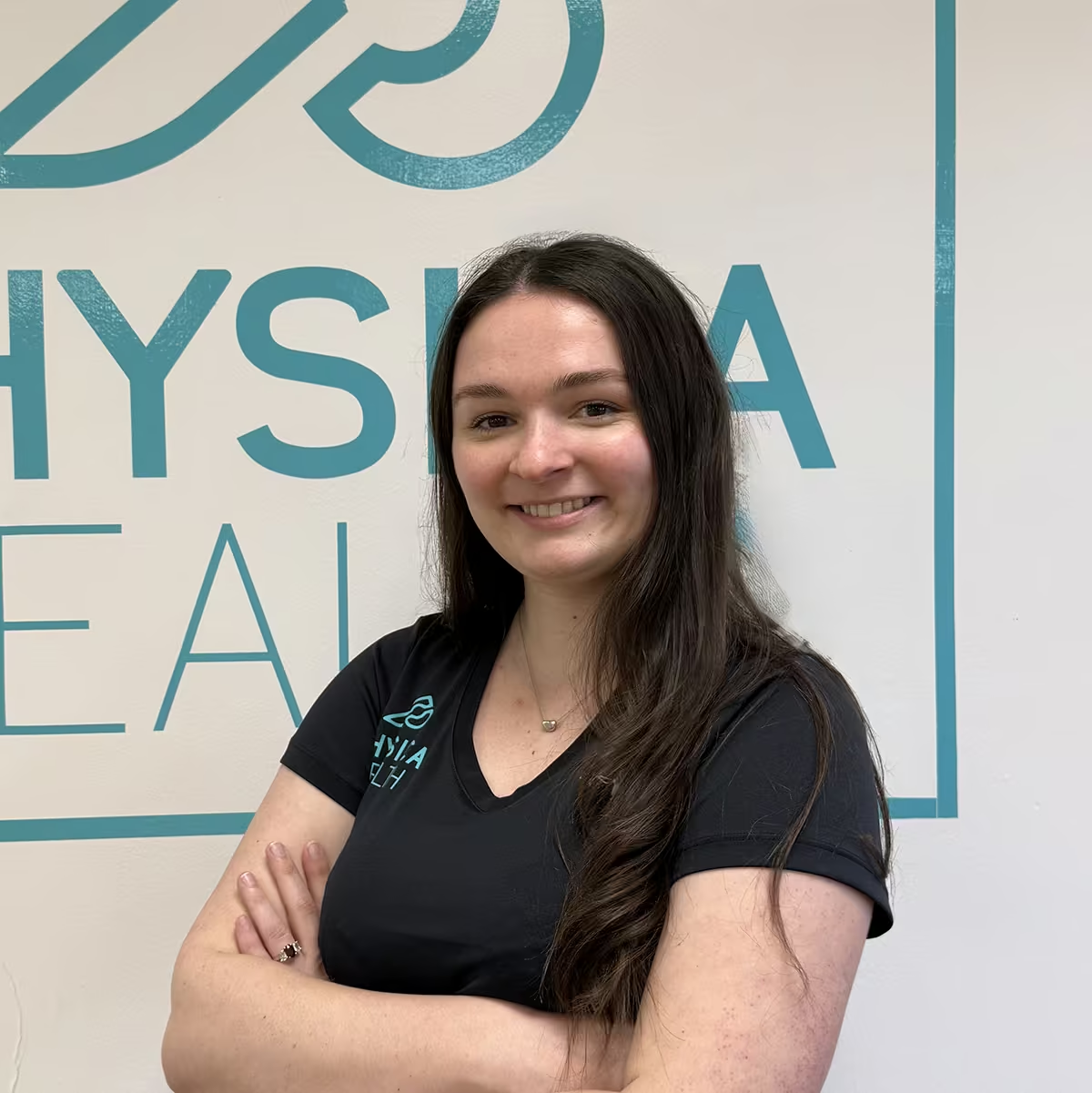
Olivia Barker
Skilled in pregnancy related pain and pelvic health conditions. Compassionate, patient-centred approach.

Vanesha Patel
Specialist in pelvic health, pregnancy and postnatal rehabilitation. Helping women regain confidence and control.
The trusted Surrey women’s health clinic
Premium private care, on your doorstep, with a team that’s looked after Olympians, F1 drivers, and Surrey mums alike.
HCPC & CSP Registered
Every clinician is registered with the HCPC and a CSP member, so you know exactly who’s treating you.
Post-Grad WH Training
Our team holds advanced post-graduate certifications in pelvic health and women’s physiotherapy.
Discreet Private Rooms
Quiet, well-appointed treatment rooms. No noise, no rush, no awkward overlap with other clients.
Mum & Bump Friendly
Pram access, baby-friendly clinic, school-run friendly hours. Bring the little one if you need to.
Major Insurers Accepted
BUPA, AXA, Vitality, WPA, Aviva, Cigna and more. We invoice your insurer directly where possible.
Appointments This Week
No twelve-month waitlist. Most new patients are seen within seven days, often sooner.
Trusted by elite athletes, F1 teams & Premier League clubs
The seven things every woman asks us
Do I need a GP referral?
If you’d like us to liaise with your GP after the assessment, we’re very happy to.
I'm on the NHS pelvic floor waiting list. Can you see me sooner?
You can stay on the NHS waitlist while seeing us privately. Many women do exactly that.
Will my private health insurance cover this?
Call us on 01276 916 346 if you’d like help checking your specific policy.
Will the assessment be internal? Do I have to consent?
We’ll only suggest it if it’s clinically appropriate, and only proceed with your full, informed consent. There’s a great deal we can do without it if you prefer.
How many sessions will I need?
You’ll get an honest answer, tailored to your symptoms and goals, at the end of your first appointment.
How much does it cost?
Insured patients are typically covered in full. Live pricing and slot availability is shown in the booking system below.
What should I bring or wear to my appointment?
If you’re insured, bring your policy details and pre-authorisation code if you have one.
Choose a time that works for you
Live availability, real-time booking. Most slots are sixty minute initial appointments with a Women’s Health Physiotherapist. If you’d prefer to talk first, call us on 01276 916 346.
Can’t find a time that suits? Call 01276 916 346. We often have last-minute availability.
Real relief. A clear plan. Appointments this week.
You don’t have to put up with leaks, prolapse or pelvic pain. Book directly with one of our specialist Women’s Health Physiotherapists in Bagshot.

Specialist Women’s Health Physiotherapy. Bagshot, Surrey.
Find us
7 Tanners Yard
London Road
Bagshot, Camberley
GU19 5HD
Hours
Mon to Thurs: 8am to 8pm
Friday: 8am to 6pm
Saturday: 8am to 12pm
Sunday & Bank Hols: Closed